Climate Solutions
- Ensure stable temperatures with DAMPA® Climate Solutions
Climate Solutions for Comfortable Indoor Environments
Create comfortable indoor environments with DAMPA climate solutions for cooling and heating. From integrated climate ceilings to radiant heating panels and climate clouds, our solutions help regulate temperature without noise, draught or visible technical installations dominating the room.
Designed for modern building and transformation projects, DAMPA climate solutions bring thermal comfort, architectural freedom and technical integration together, making it easier to create spaces where people can work, learn and stay comfortably throughout the day.
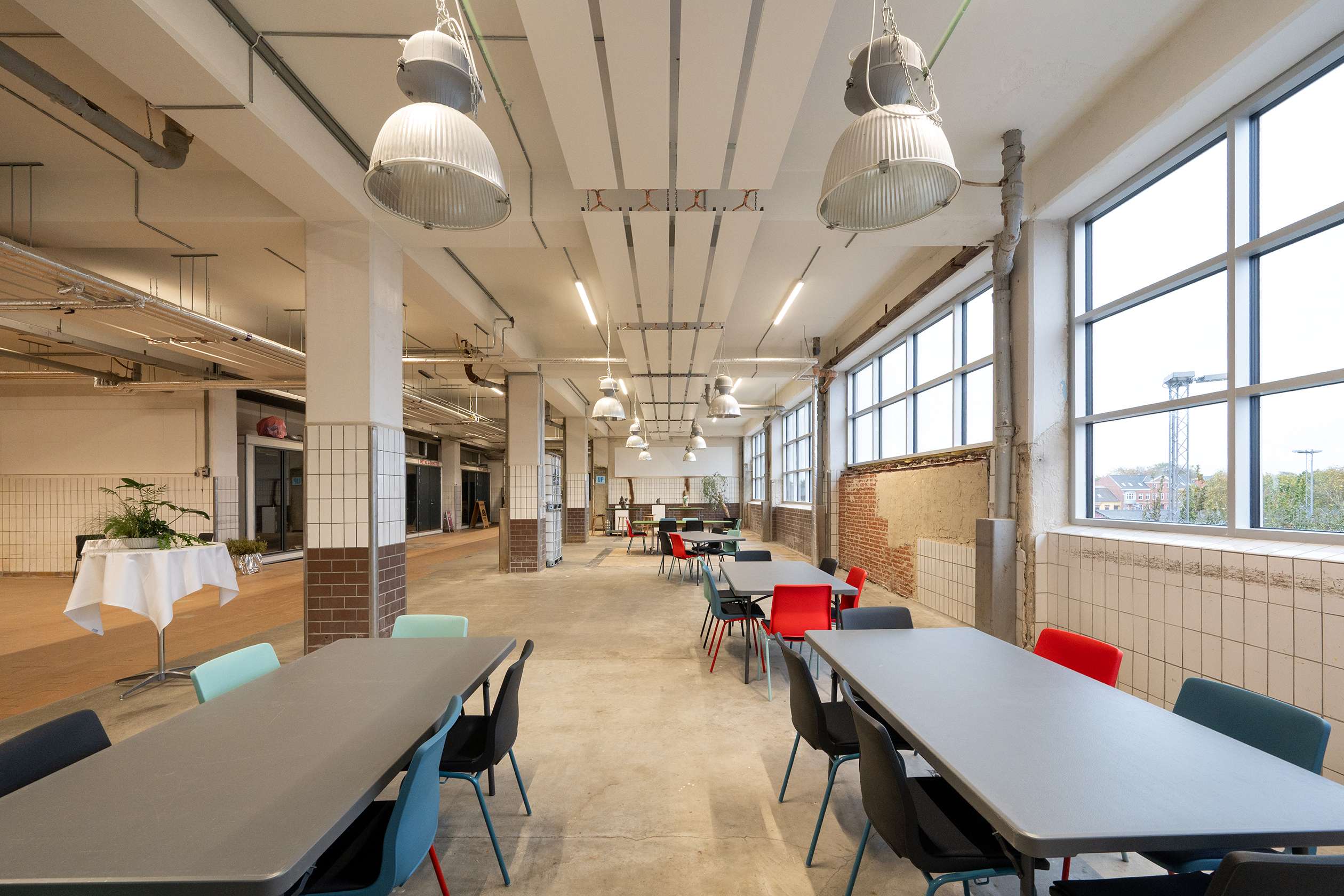

Indoor comfort starts with temperature
With radiant heating-based climate solutions, you can create a more balanced indoor environment where cooling, heating, acoustics and design work together. This makes it easier to design spaces that feel comfortable to use — not just technically well-planned.
Temperature control without noise or draught
With radiant heating-based climate solutions, you can regulate temperature efficiently while maintaining a quiet indoor environment, minimising draught and preserving the architectural expression of the room.
“Creating the right temperature in rooms where people work, learn or spend time together has always been a challenge. With DAMPA’s climate solutions, we help regulate temperature through the ceiling or discrete canopies — combining comfort, design and technical performance in one solution,” says Michael Nykjær, CEO at DAMPA.
Watch the video and learn how a climate ceiling can contribute to a comfortable indoor environment.
Utilise the ceiling surface
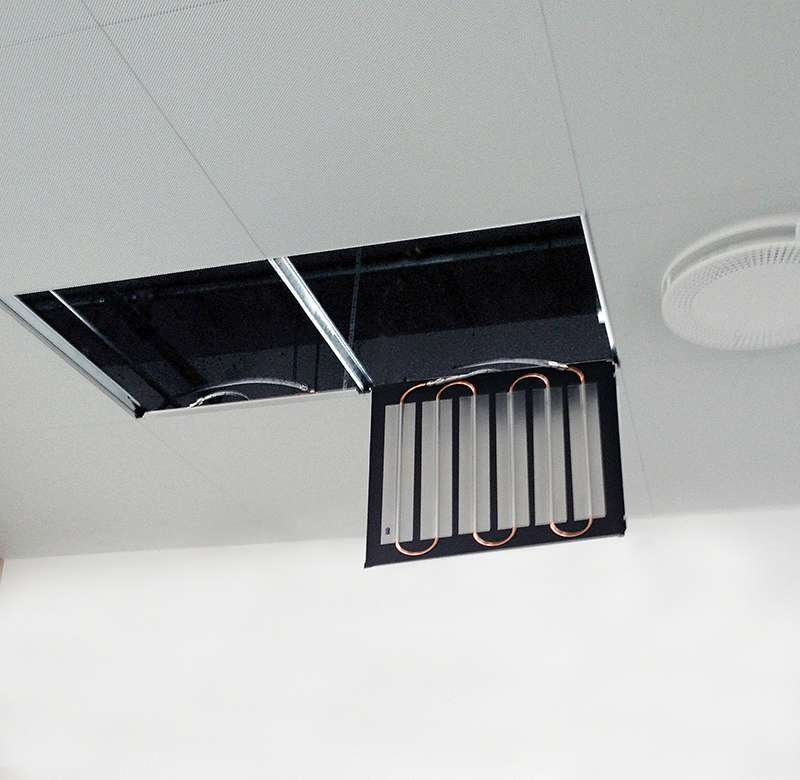
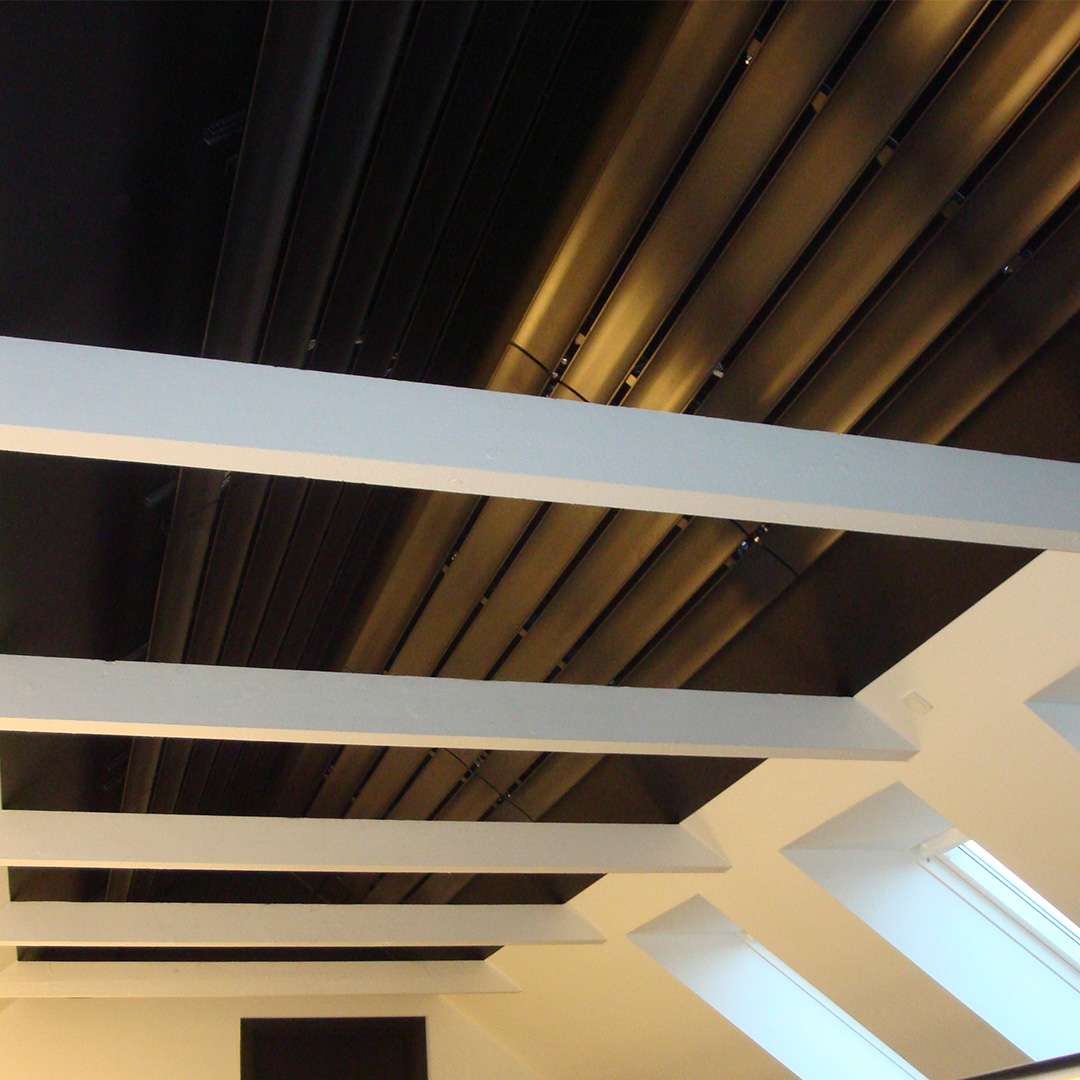
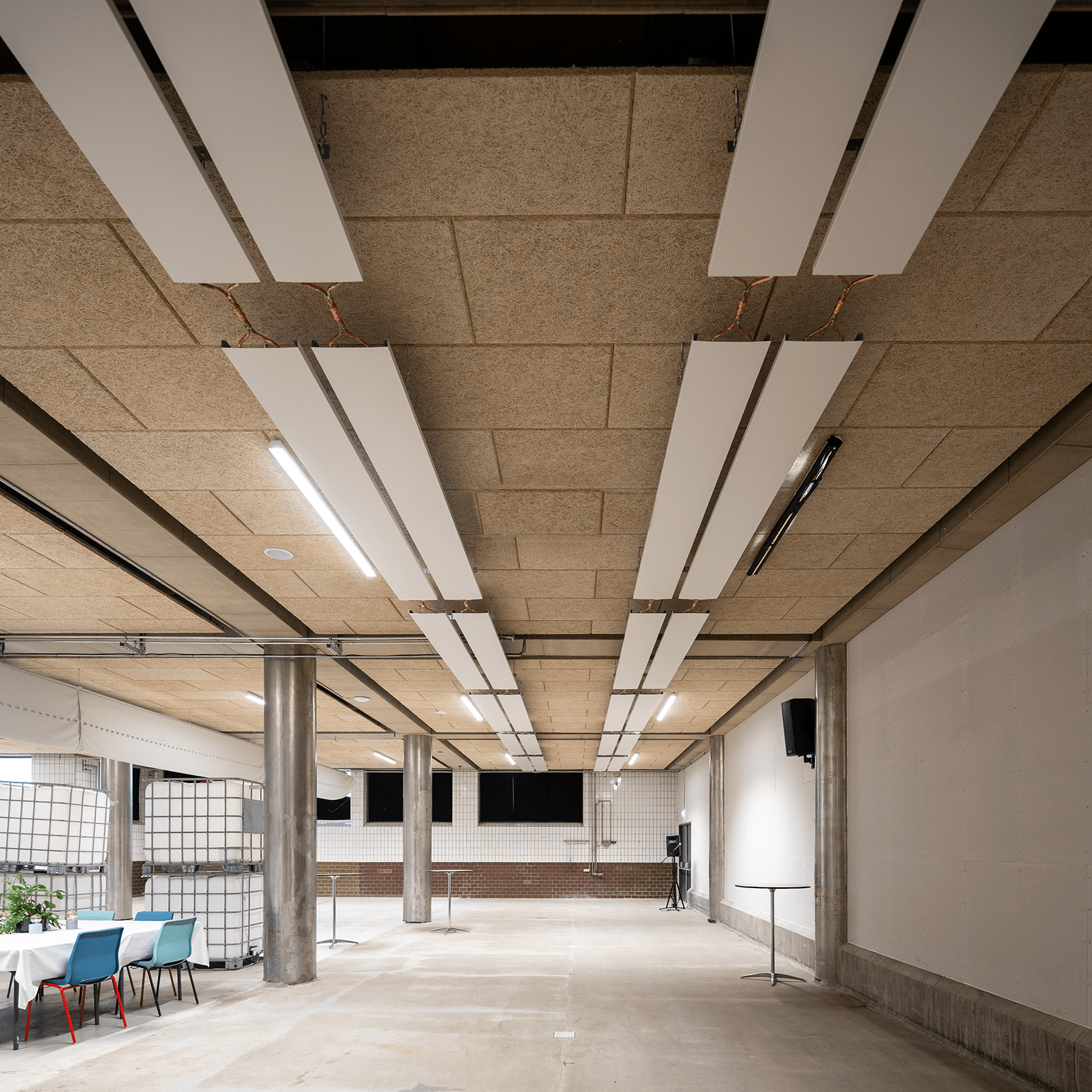
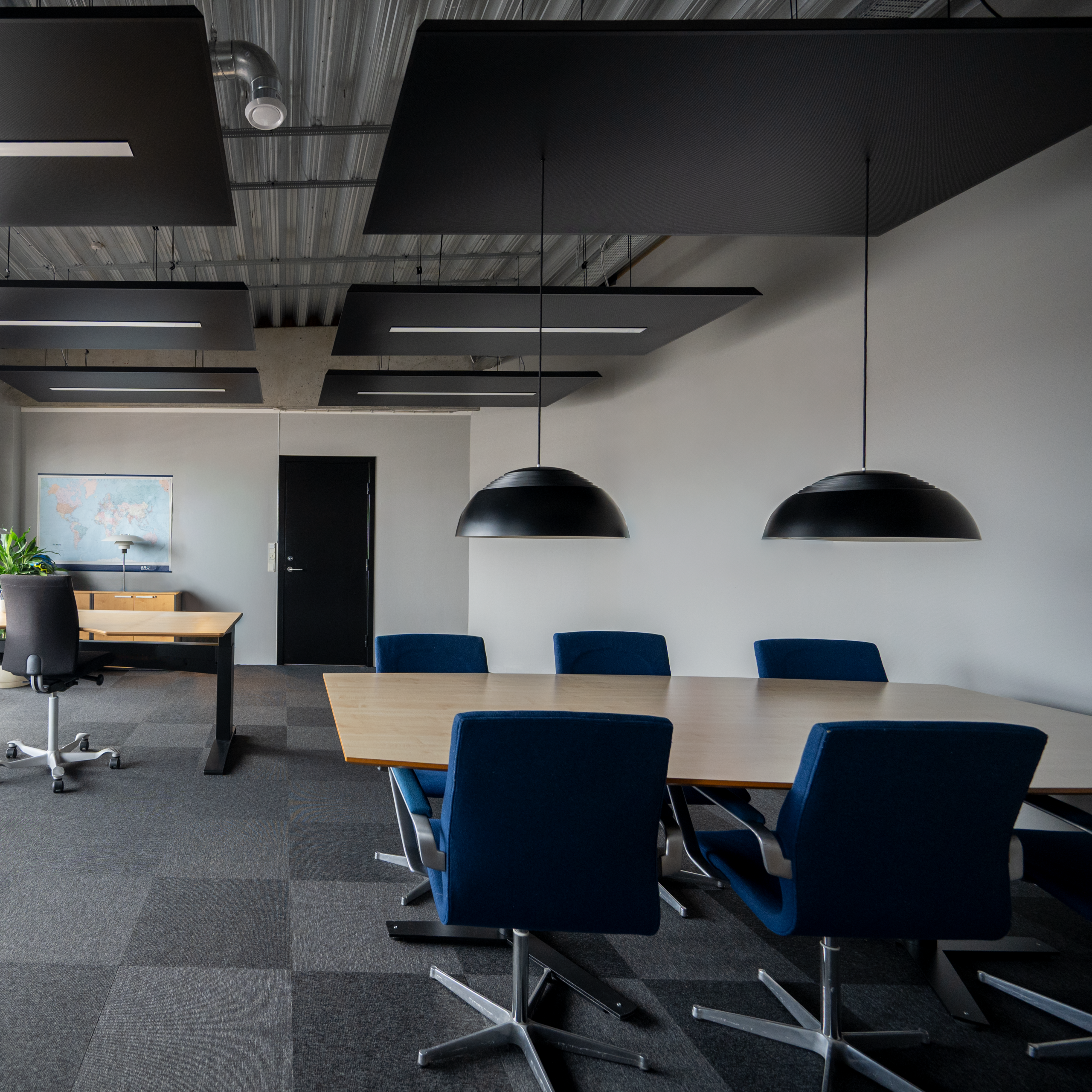
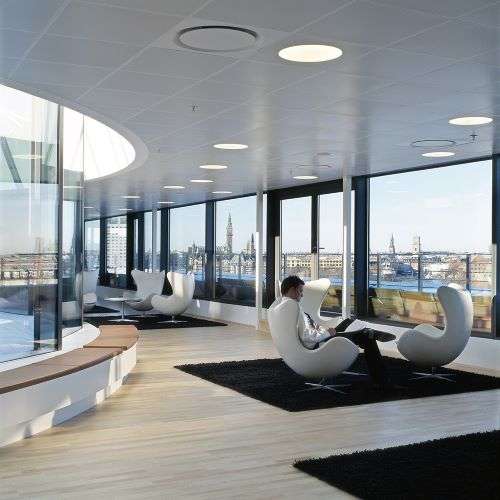
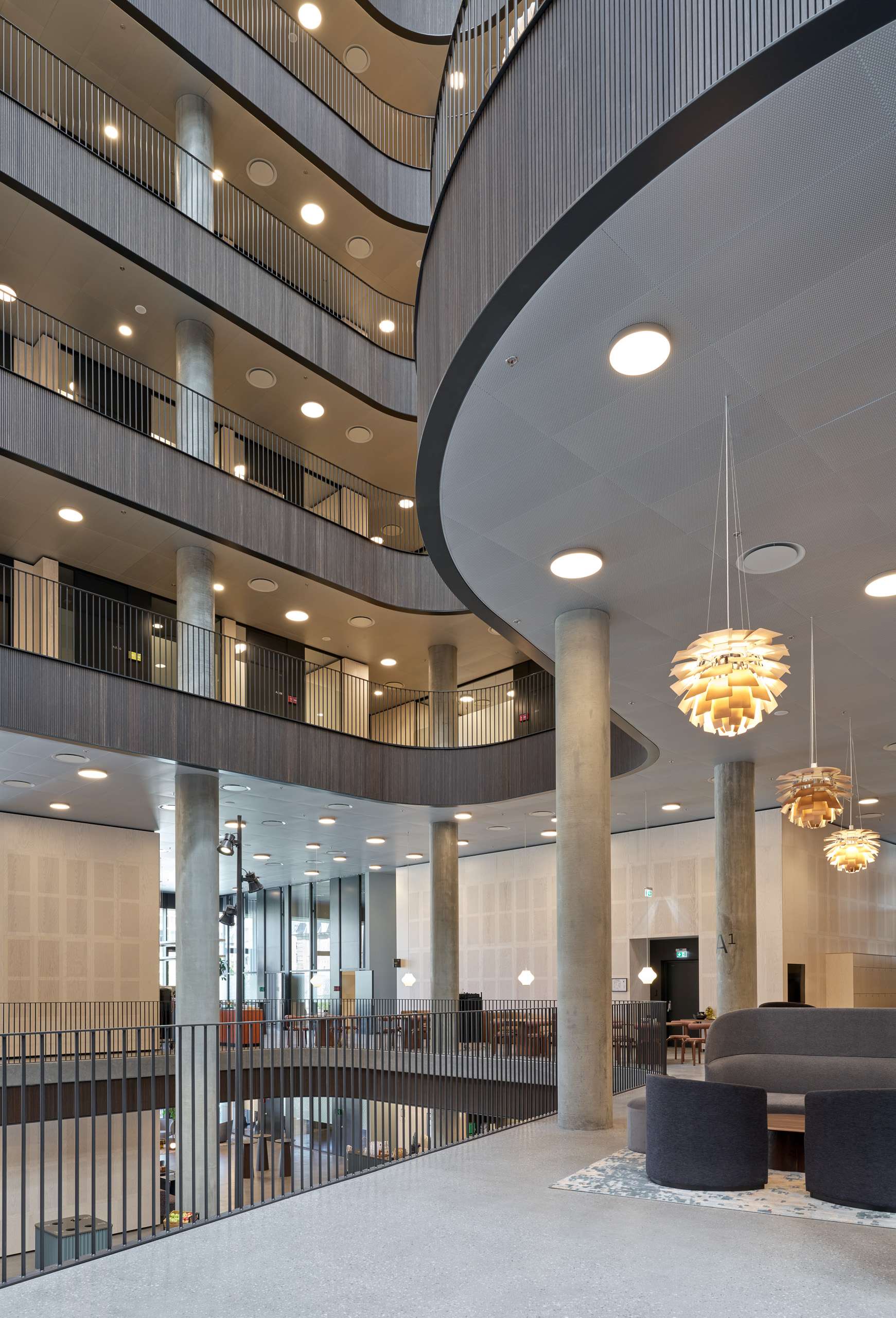
Eight reasons to choose Climate Ceiling
- Stable temperatures all year round – without draughts and noise
- High performance and fast response
- Low construction height and low weight
- Combine temperature regulation with acoustic optimization
- Integrate with diffuse ventilation, lighting and more
- Architectural freedom and design possibilities
- Built for long-term operation and low maintenance
- A documented solution
Climate solutions for different building types
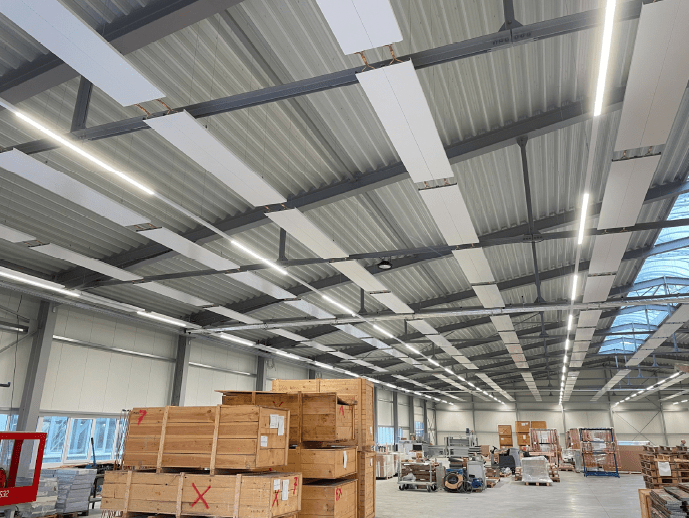
Explore cases with climate solutions
See examples of how DAMPA’s climate solutions contribute to comfortable, functional and visually coherent indoor environments.
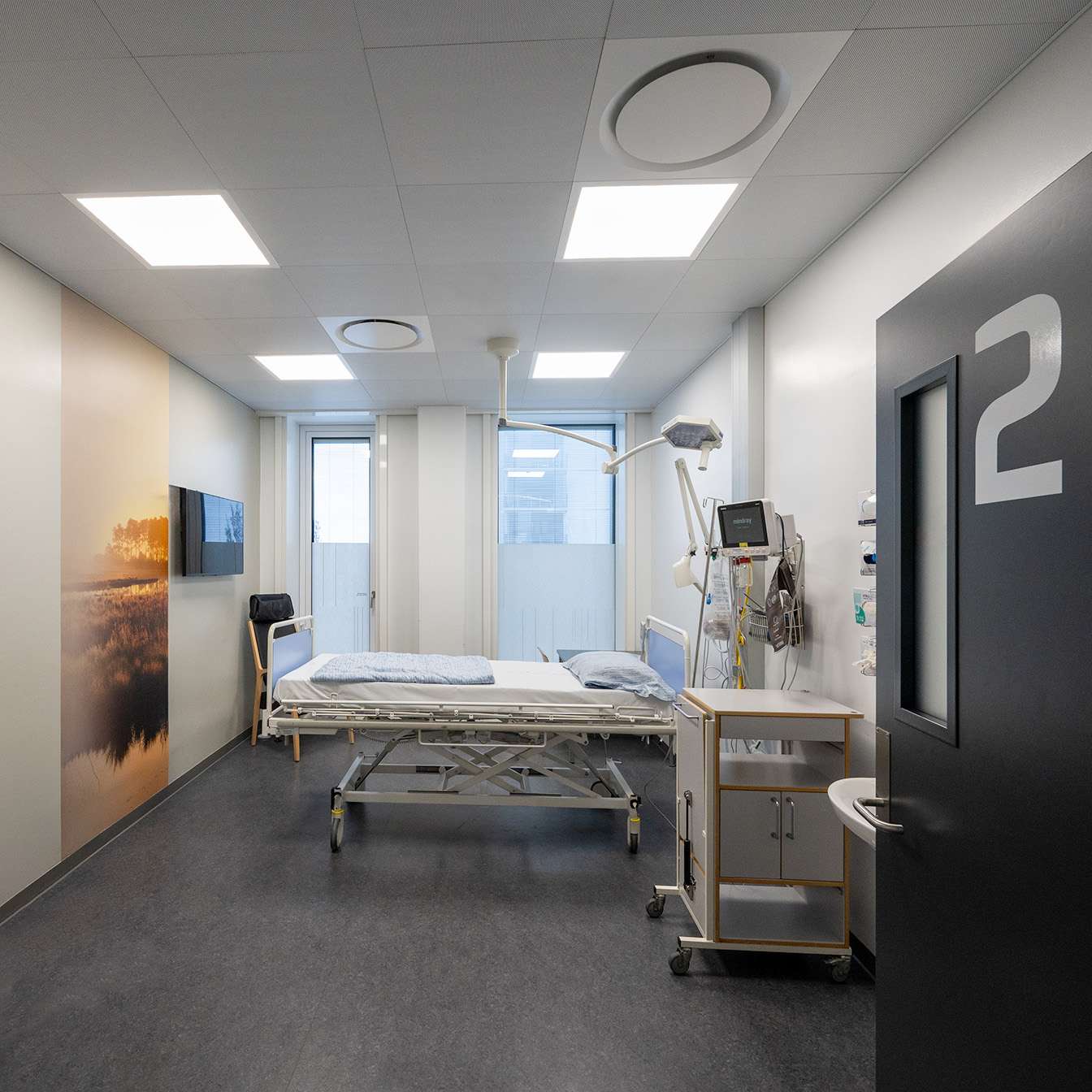
See how DAMPA® Climate Ceiling support comfort, function and a calm indoor environment as the only heating solution in a healthcare setting with high requirements for performance and well-being.
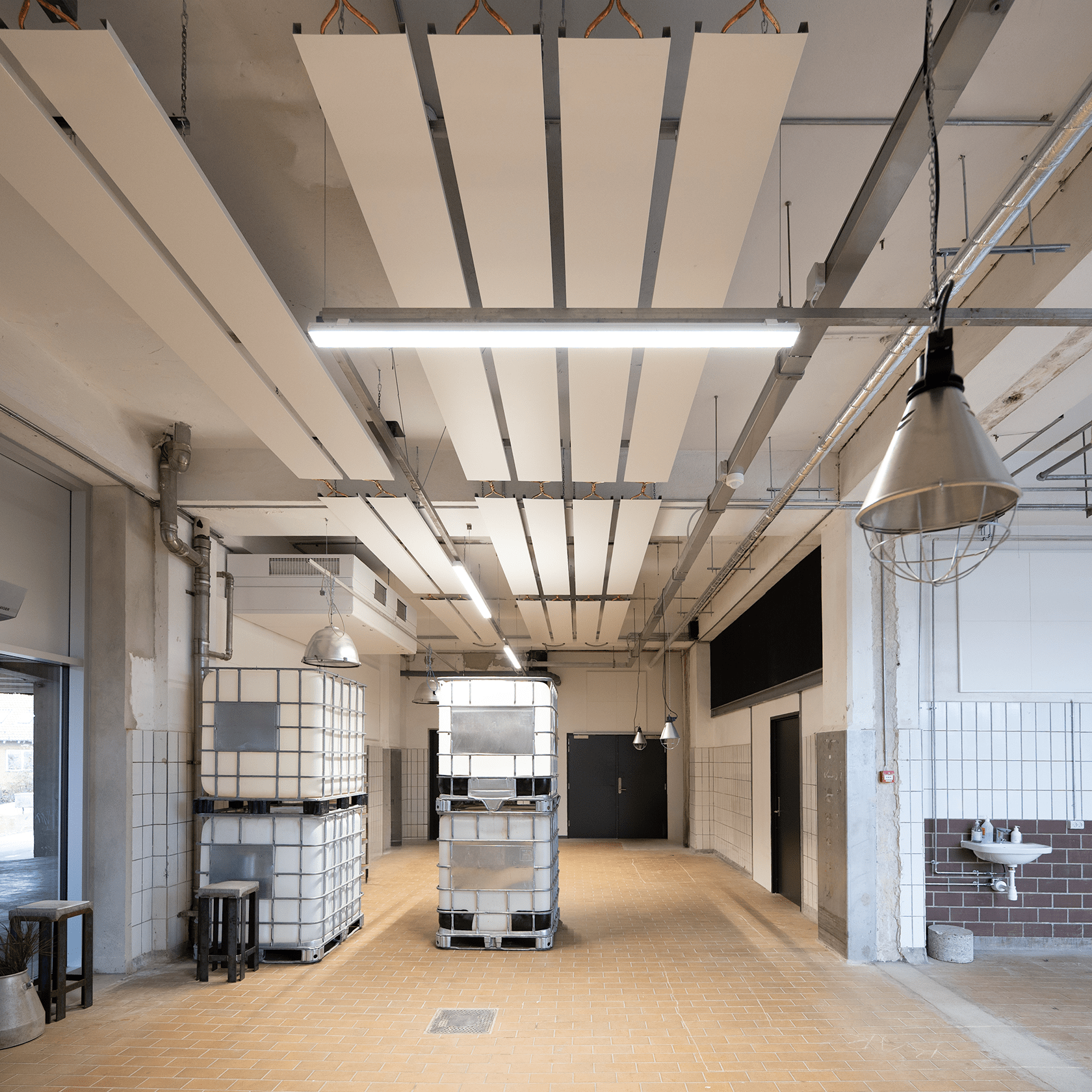
Slagteriet
Discover how DAMPA® Heat have contributed to the transformation of the existing spaces — ensuring stable temperatures all year round.
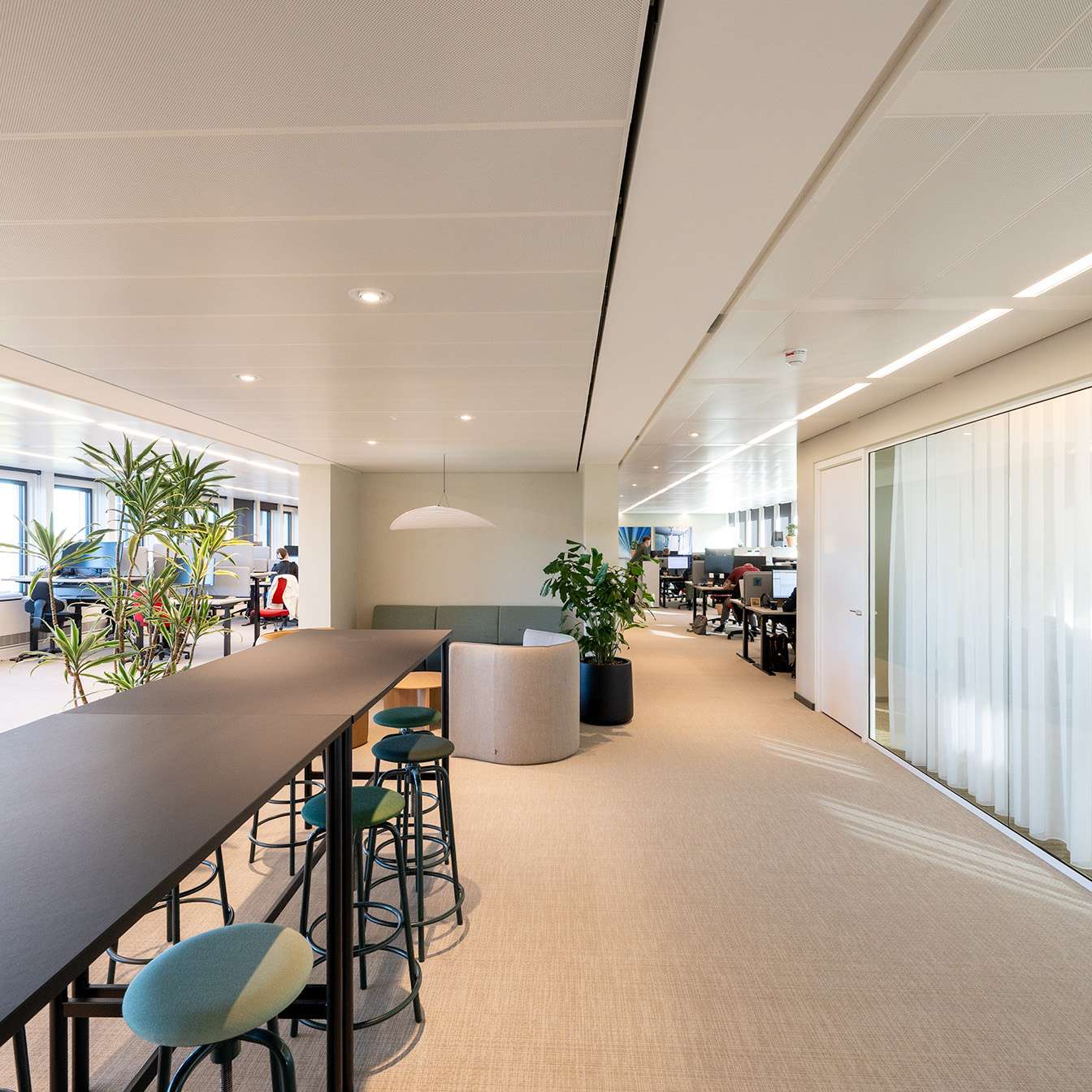
Explore how integrated ceiling solutions help create comfortable and functional work environments where design, acoustics and indoor climate work together.
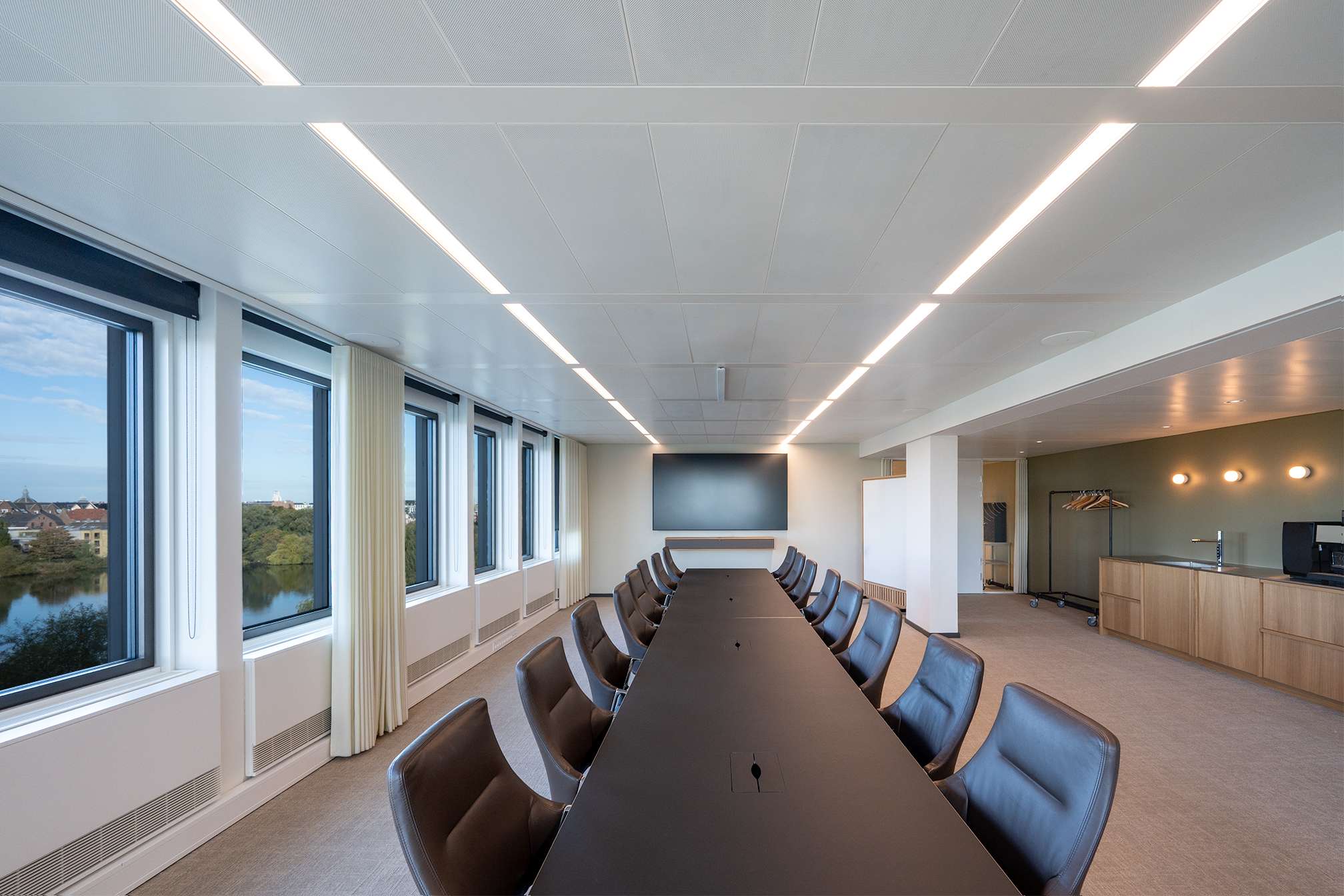
Bring comfort, acoustics and design together
FAQ about climate ceiling
Here you can find the answer to some of our most frequently asked questions about climate ceiling.
A climate ceiling, also known as a cooling and heating ceiling, is a ceiling with integrated water-bearing elements. Cold or warm water circulates through built-in copper pipes, turning the ceiling into an active climate component.
Rather than cooling or heating the air directly, as in traditional ventilation-based cooling, a climate ceiling regulates the surface temperature of the ceiling through radiant heating and cooling. Thermal energy is transferred by radiation, which always moves from a warmer surface to a cooler surface. This creates a natural and even level of comfort in the room, as the air is only indirectly heated or cooled by the radiant exchange.
Climate ceilings primarily work through radiant heat transfer. This creates a number of significant differences compared with traditional cooling and heating systems:
For cooling: When cold water flows through the integrated copper pipes, the surface of the ceiling is cooled. Heat from the room is then transferred towards the cooler ceiling surface by radiation, creating a comfortable cooling effect that allows occupants to release excess heat without draughts.
For heating: When warm water flows through the pipes, the ceiling radiates heat down into the room. As the radiant heat reaches people and surfaces directly, the room quickly feels comfortable, even at a lower air temperature than with traditional heating.
how a climate ceiling works here.
Yes, a climate ceiling can be used for both heating and cooling, depending on how the solution and the technical system are designed. This makes a climate ceiling relevant in buildings where a stable indoor climate is needed all year round. During the summer, the ceiling can contribute to cooling, while in colder periods it can be used for heating as part of the same integrated solution.
A climate ceiling is also ideal for rooms with varying needs, such as meeting rooms, classrooms, offices, laboratories and other spaces where temperatures and requirements change throughout the day.
Radiant heating is a form of heating where heat is transferred by radiation from a warm surface. This could, for example, be panels, floors, walls or ceilings that emit heat to the room and the people within it.
A climate ceiling is a complete ceiling solution where the ceiling actively contributes to cooling and/or heating. A climate ceiling can therefore use principles similar to radiant heating, but it differs by typically being an integrated ceiling solution that can provide both cooling and heating.
Whether a climate ceiling is a sustainable investment depends on how the solution is assessed. When operation, service life, material choices and documentation are all taken into account, a climate ceiling offers several advantages.
A climate ceiling can form part of an energy-efficient indoor climate strategy, as cooling and heating are integrated directly into the ceiling surface of the building. DAMPA® Climate Ceiling is installed in our metal ceilings, where the excellent thermal conductivity of the metal contributes to the efficient transfer of cooling and heating compared with other materials.
In addition, it provides a robust ceiling solution with a long service life and low maintenance requirements. As the climate ceiling is integrated directly into the ceiling system, a low installation height can also be achieved, which can be an advantage in both new-build and refurbishment projects.
DAMPA’s ceiling solutions also provide easy access to the installations above the ceiling for operation, servicing and maintenance.
DAMPA® Climate Ceiling is produced and assembled locally at our factory in Tommerup, Denmark. Our standard materials already contain a significant proportion of recycled content, and we also offer solutions with up to 75% recycled content. Material use and production are documented in DAMPA’s EPDs, which can be foundhere.
A climate ceiling can be a good investment because it combines cooling, heating, high performance, architectural freedom and the option to integrate acoustics, ventilation and lighting in one complete ceiling solution.
DAMPA® Climate Ceiling is an energy-efficient, high-performance solution that can contribute to a stable and comfortable indoor climate. This has an impact on users’ well-being, concentration and overall experience of the building.
At the same time, the need for visible installations on walls and floors can be reduced. This provides greater freedom in the interior layout and creates a calmer architectural expression.
In addition, DAMPA’s metal ceilings are robust, have a long service life and provide easy access to the installations above the ceiling. The investment should therefore not only be assessed on the initial cost, but also on operation, maintenance, flexibility and whole-life value.
No, it is not always necessary for a climate ceiling to cover the entire ceiling surface. The requirement depends on the size of the room, the function of the space, solar gain, internal heat sources and the required cooling and heating capacity.
In some projects, it may be sufficient to install the climate ceiling in selected zones. In other projects, a larger proportion of the ceiling surface may be needed to achieve the desired effect.
The required extent is typically determined during the design phase, where capacity requirements, ceiling layout, installations and architectural preferences are coordinated.
At DAMPA, we recommend considering the climate ceiling early in the project, so that function, design and technical requirements can be optimised from the outset.
The cost of a climate ceiling depends on several factors, including the size of the room, capacity requirements, choice of ceiling type and design.
A climate ceiling will often represent a larger investment than a traditional ceiling, as the solution also includes a cooling and/or heating function. However, a climate ceiling can help bring several functions together in one solution and has low operating costs once the system has been installed.
When assessing the cost, it is therefore important not to look at the initial investment alone. Whole-life value, operation, maintenance, flexibility and the building’s service life should also be included in the assessment.
Contact us for a specific assessment of the possibilities and price level for your project.
No, not necessarily. DAMPA® Climate Ceiling can be integrated into several of DAMPA’s ceiling solutions, and the right choice depends on the project’s requirements for design, function, operation and access to installations.
DAMPA® Clip-In can be a relevant solution if you want a clean and calm ceiling expression with a concealed suspension system. However, DAMPA Spring Custom Tile and DAMPA Hook-On Custom Tile are also highly suitable for DAMPA® Climate Ceiling, offering extensive design possibilities and easy access for operation and maintenance above the ceiling.
The choice of ceiling system should always be assessed in relation to the function of the room, maintenance requirements, access to installations and the desired architectural expression.
Yes, a climate ceiling can be combined with acoustics. This is one of the major advantages of considering the ceiling as a complete indoor climate solution.
Temperature and acoustics both influence how a room is experienced. If the temperature is comfortable but the acoustics are poor, the indoor climate still does not function optimally. It therefore makes sense to consider cooling, heating and sound regulation together.
DAMPA® Climate Ceiling can be integrated into acoustic metal ceilings, allowing the ceiling to contribute to both thermal comfort and acoustic performance.
Read more about acoustics here.
Contact
Contact Per to learn more about our climate solutions and find the right fit for your project.
Per Andersen
Segment Manager | Climate
Phone: +45 2077 2902
Email: pan@dampa.dk