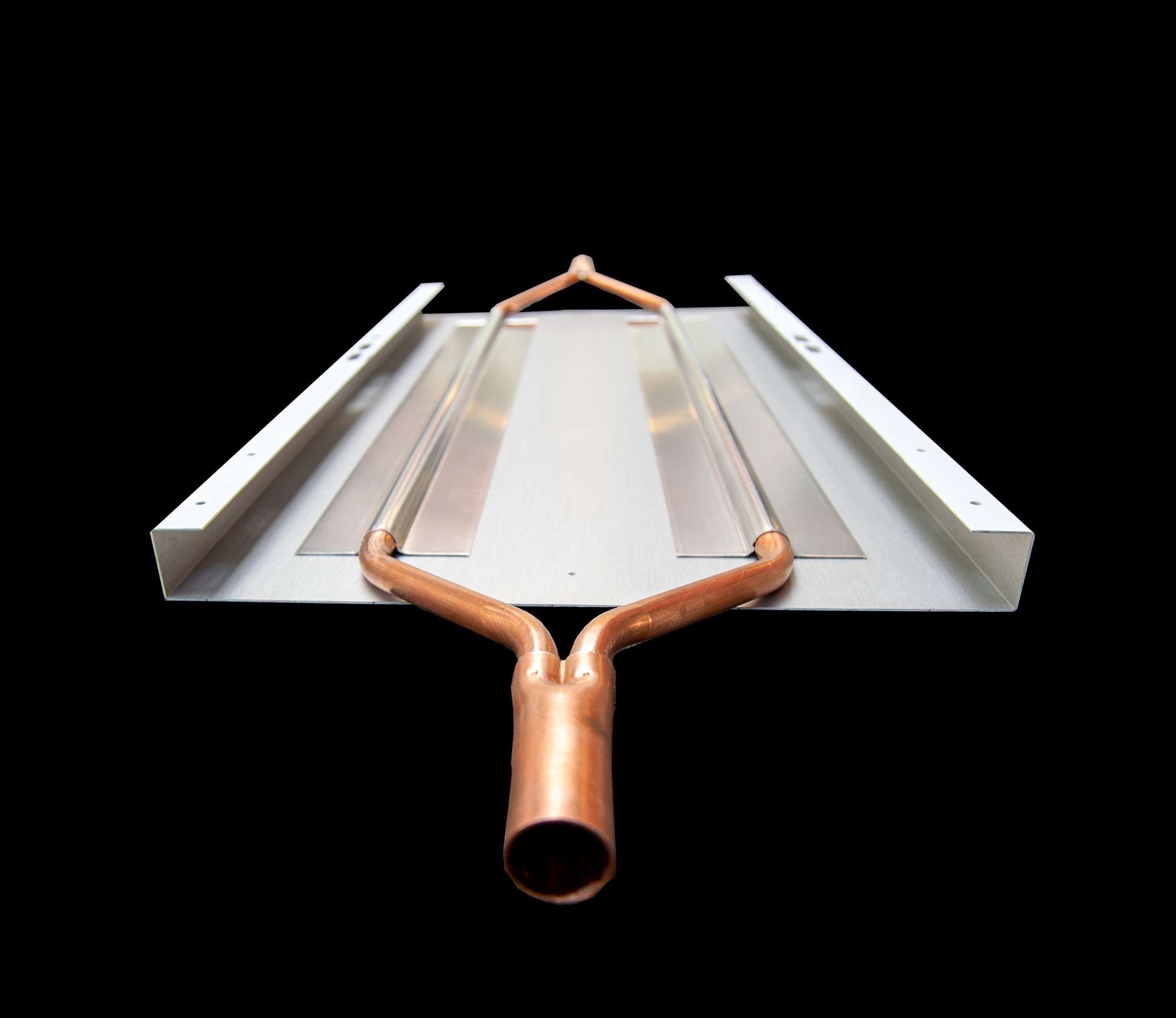
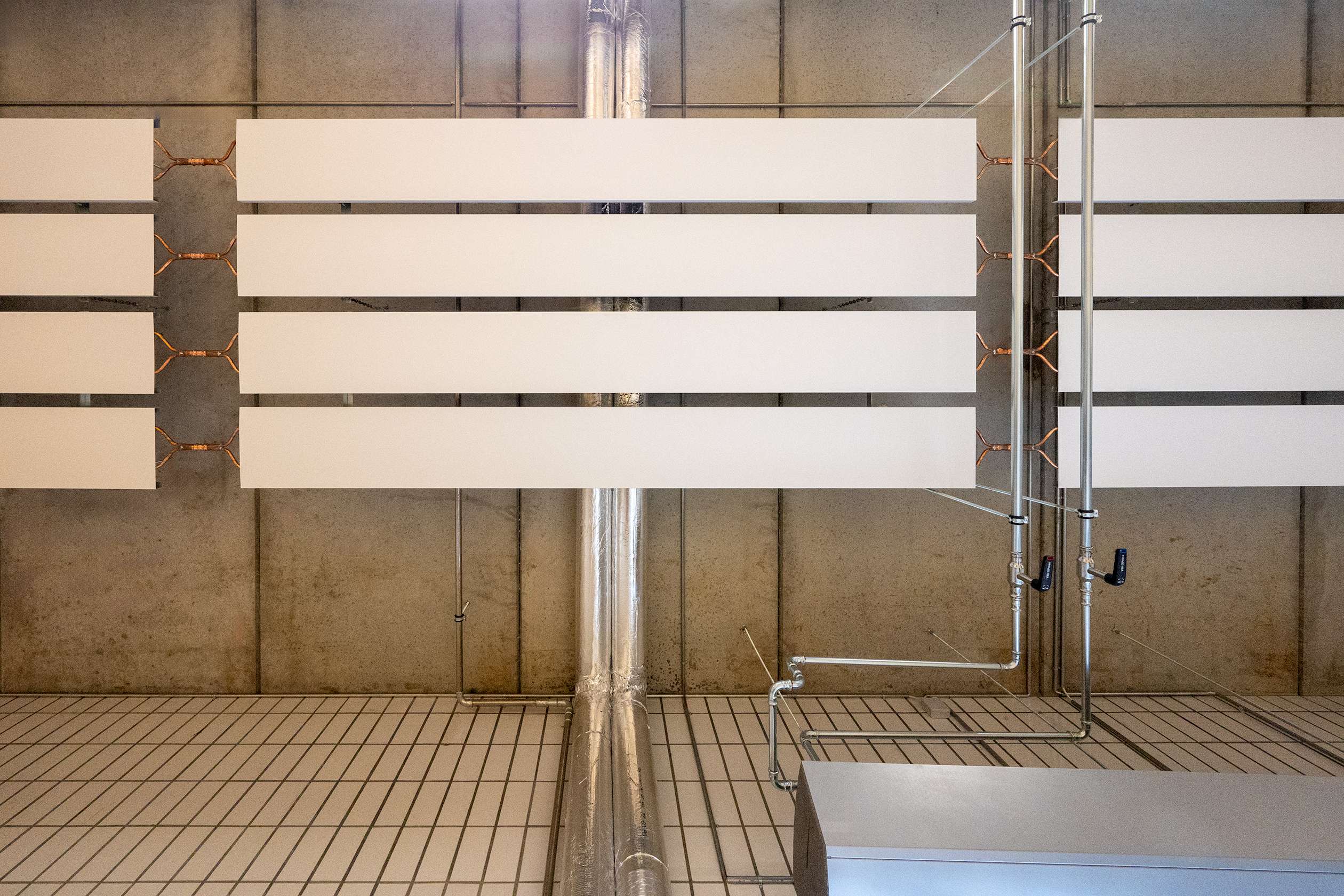
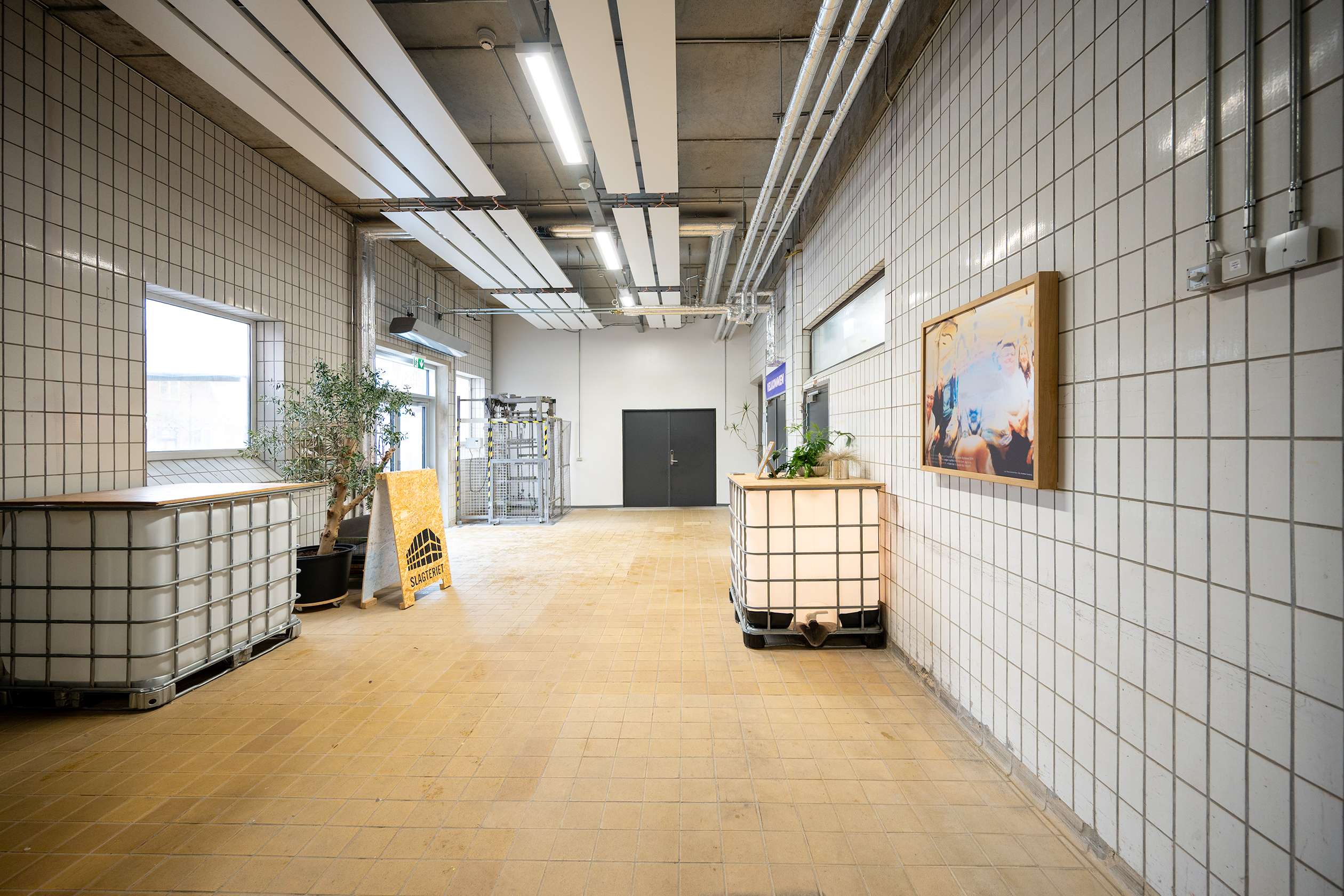
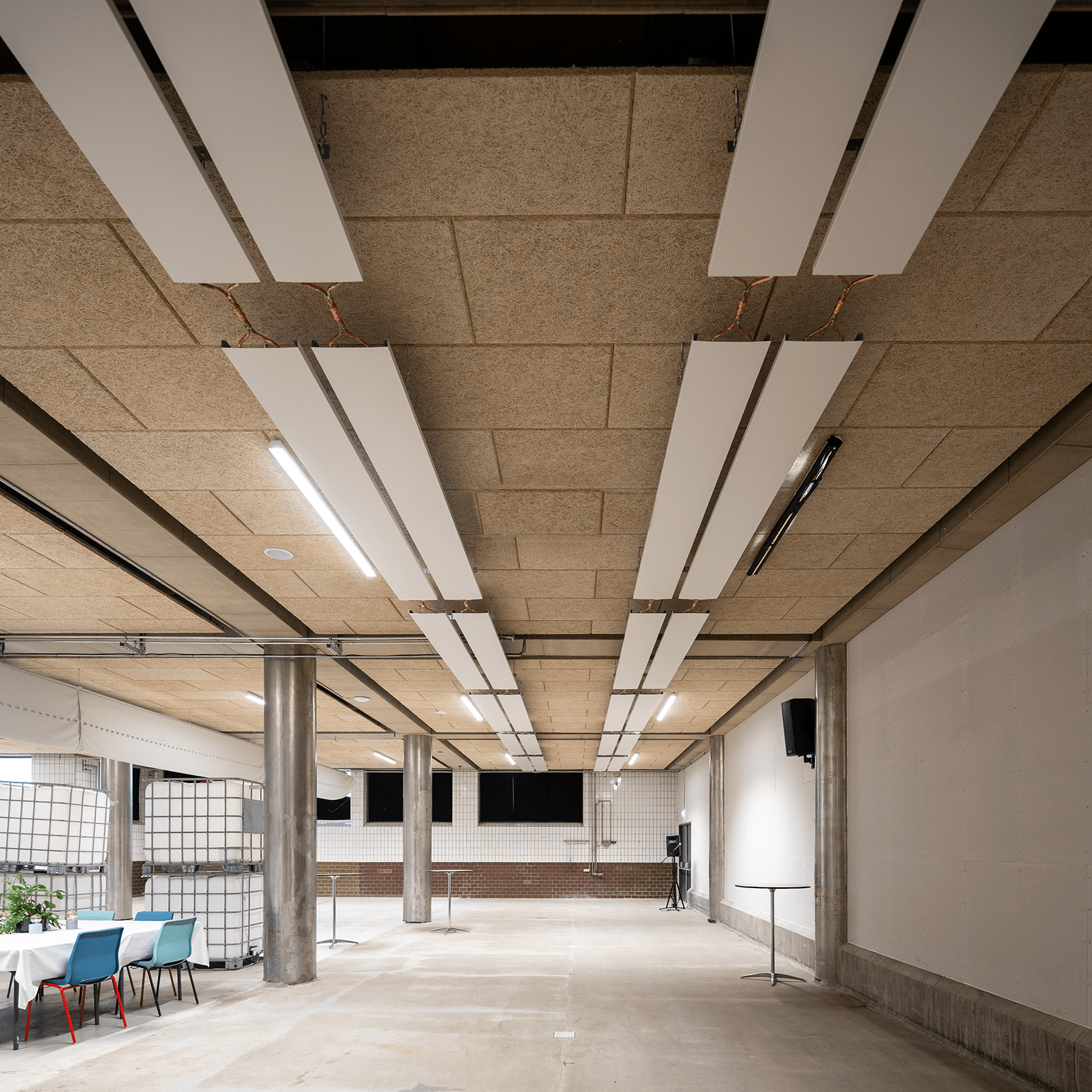
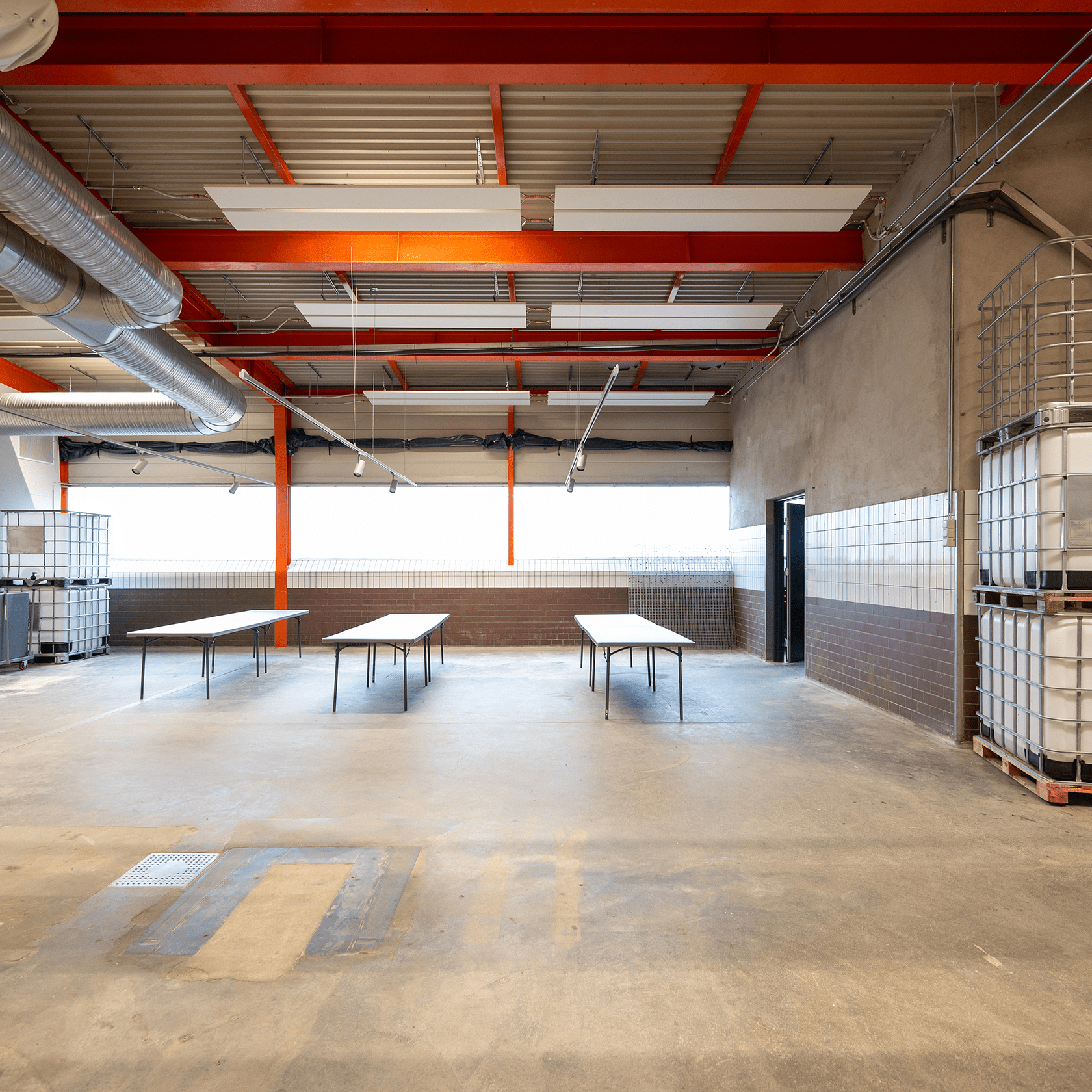
Heat is a flexible, high-performance radiant heating panel that combines patented technology, low weight, and easy installation in a single integrated solution. Its unique design featuring a patented copper pipe bonded to an aluminium plate—delivers approximately 20% higher heat output than comparable steel radiant panels. This means fewer panels are needed to achieve the desired thermal effect.
The system provides efficient heating and cooling with no draughts or noise, ensuring a comfortable and stable indoor climate across all room types. Because radiant heat doesn’t warm the air directly, dust circulation is minimised, while the absence of mechanical components ensures quiet operation and low maintenance.
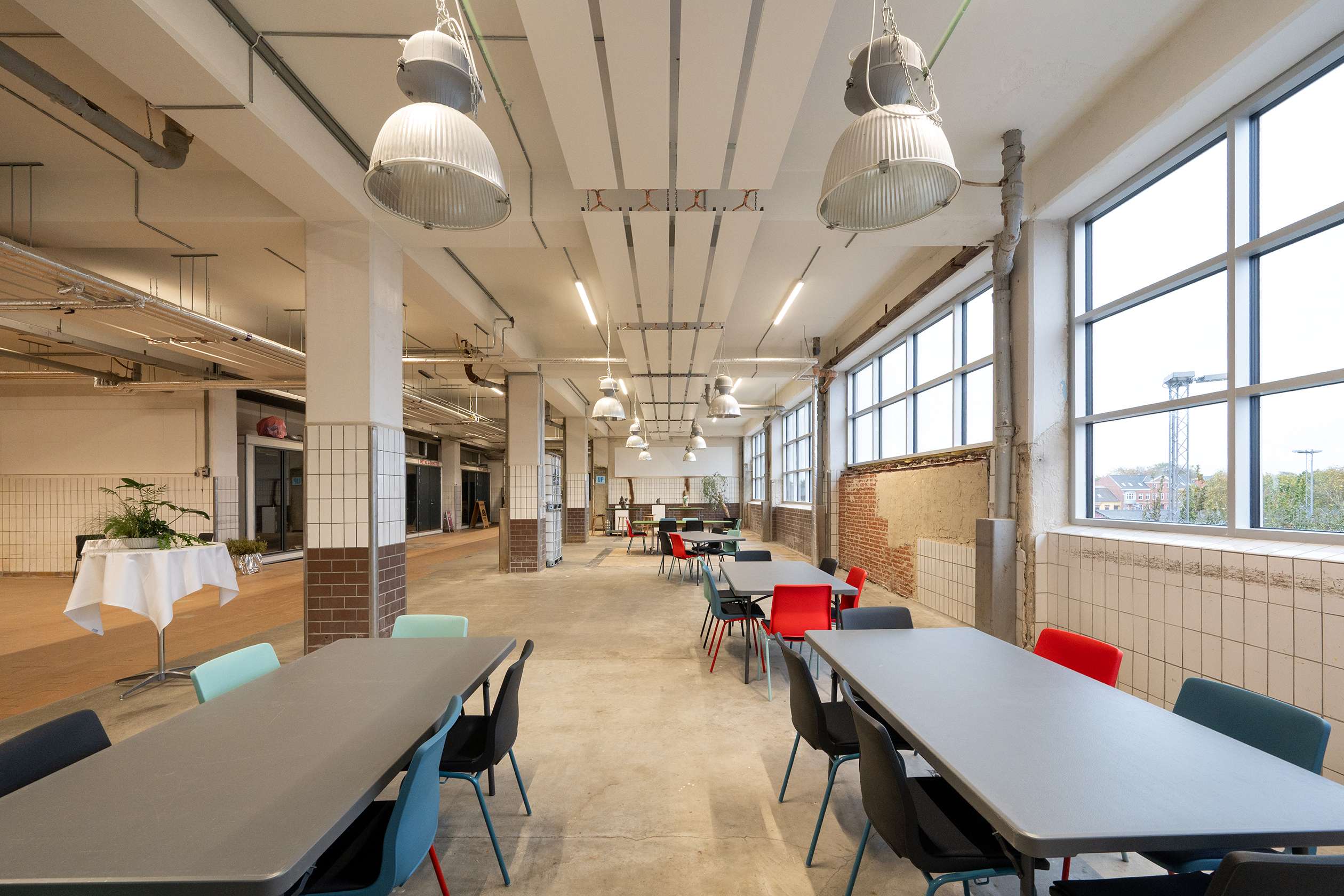
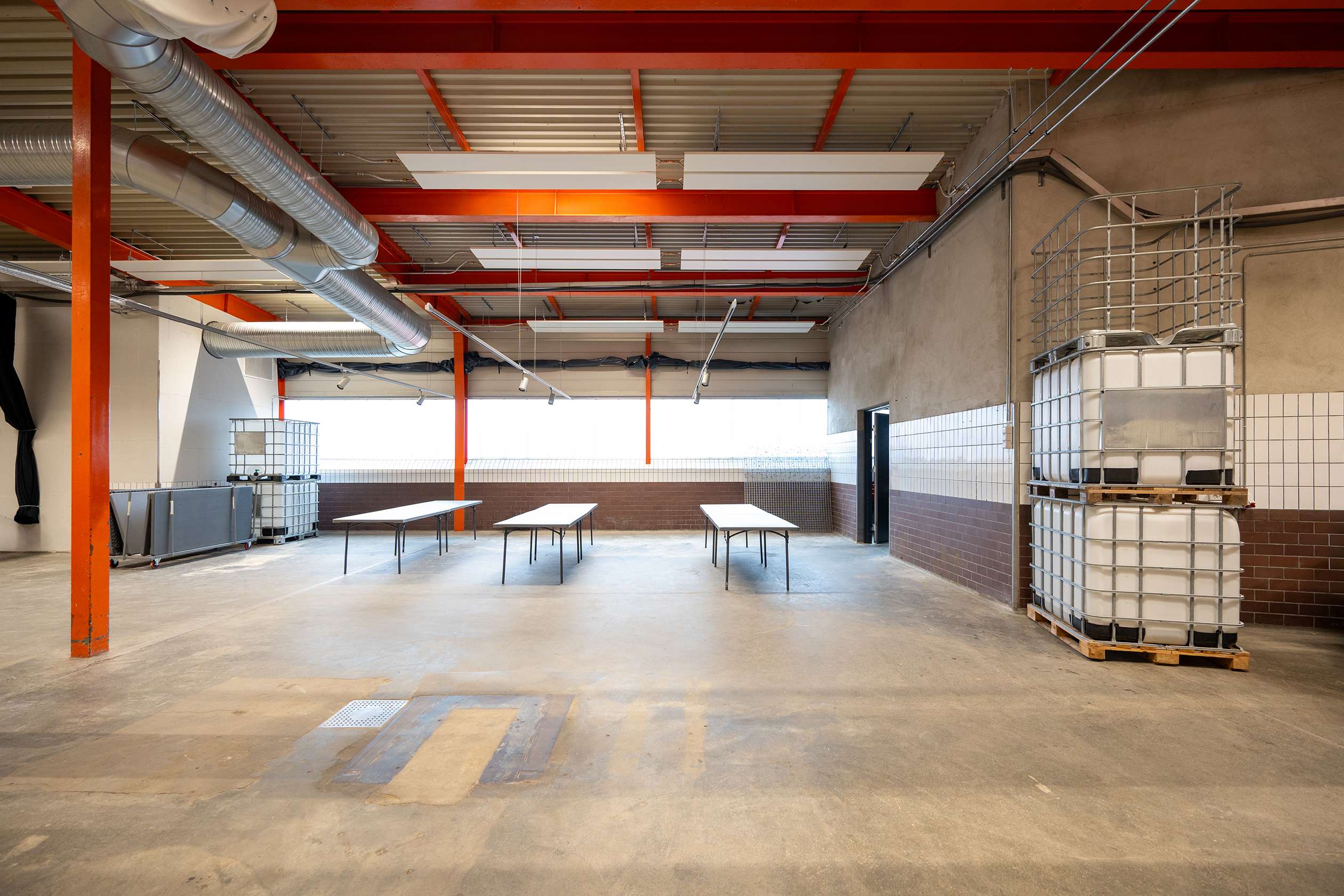
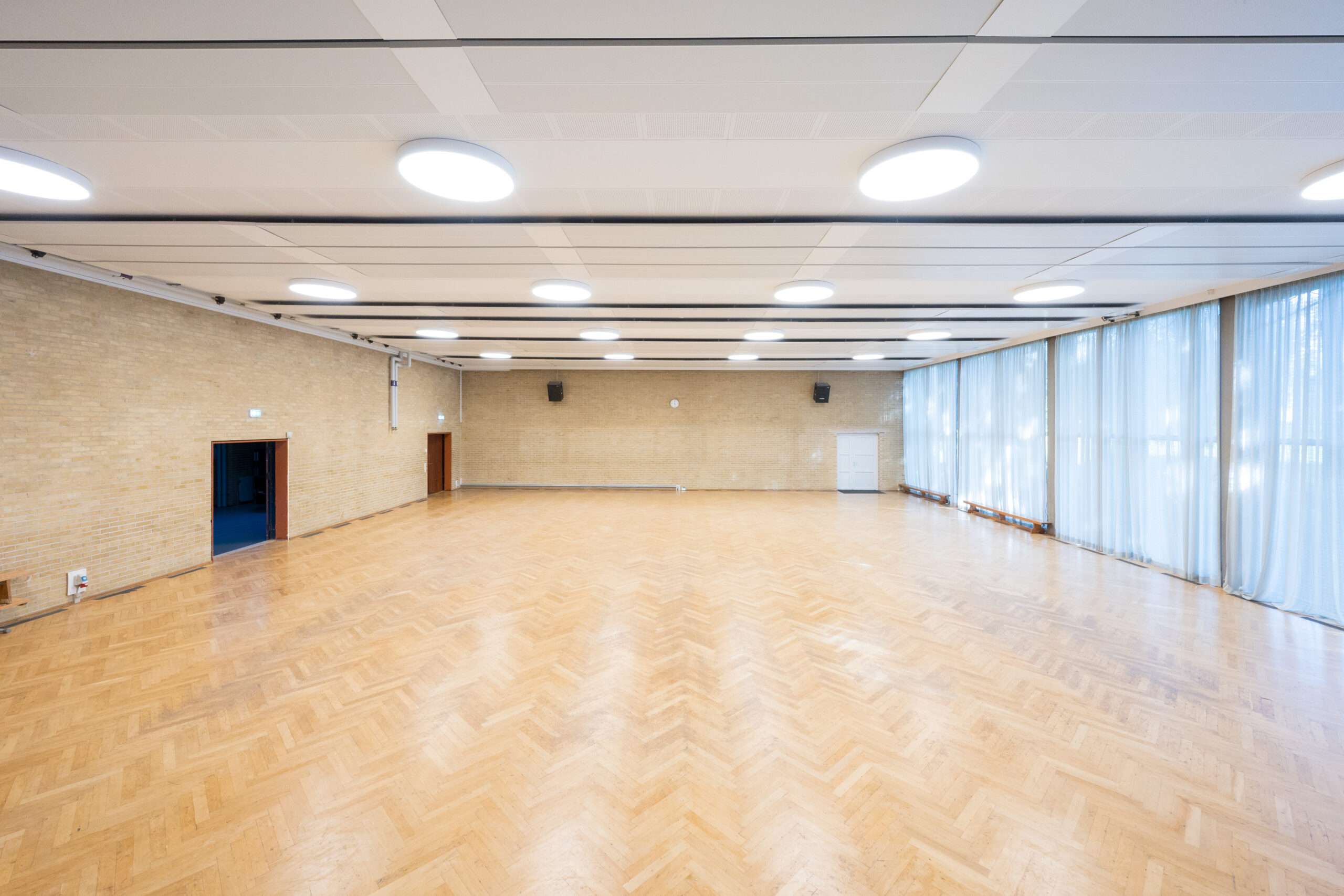
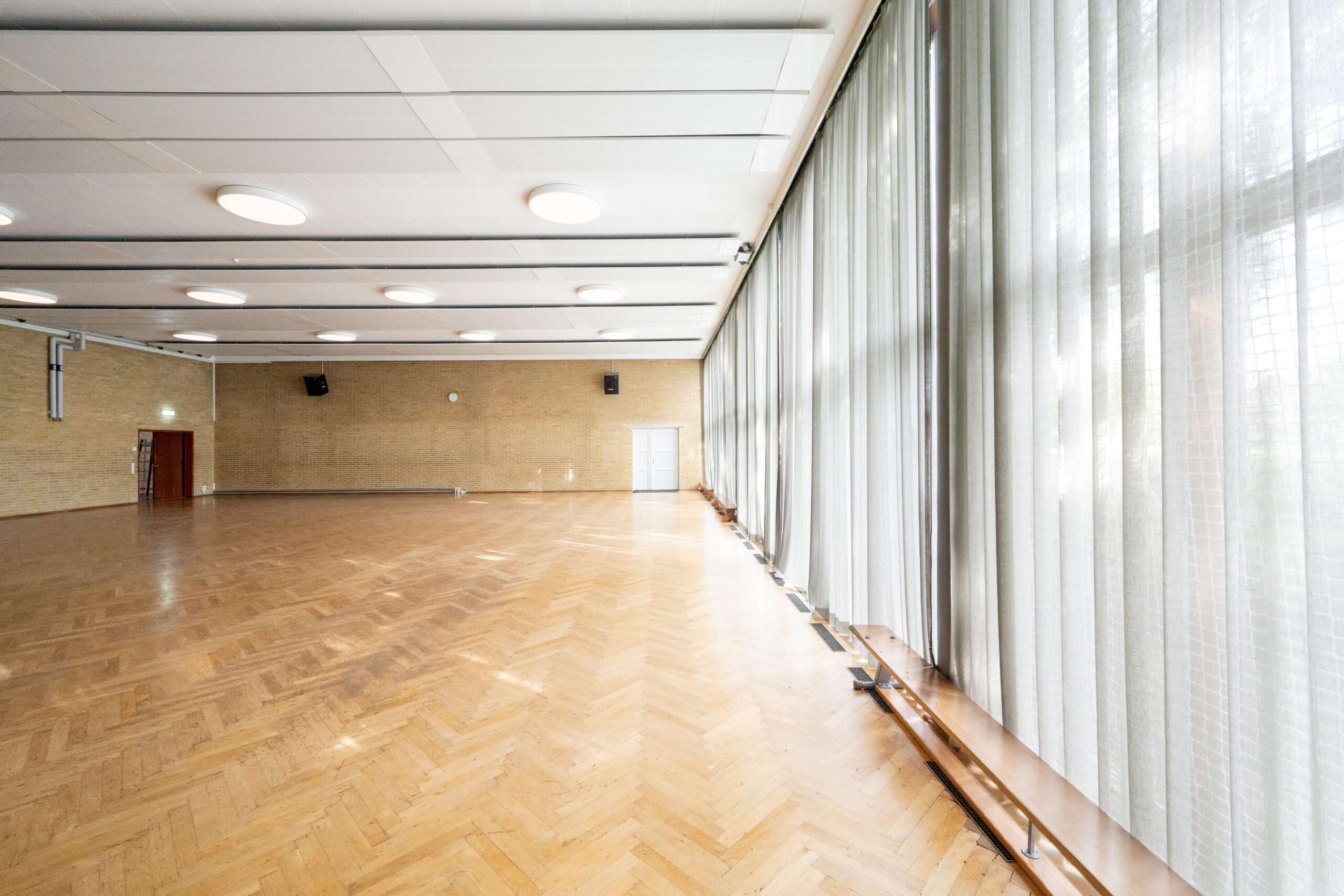
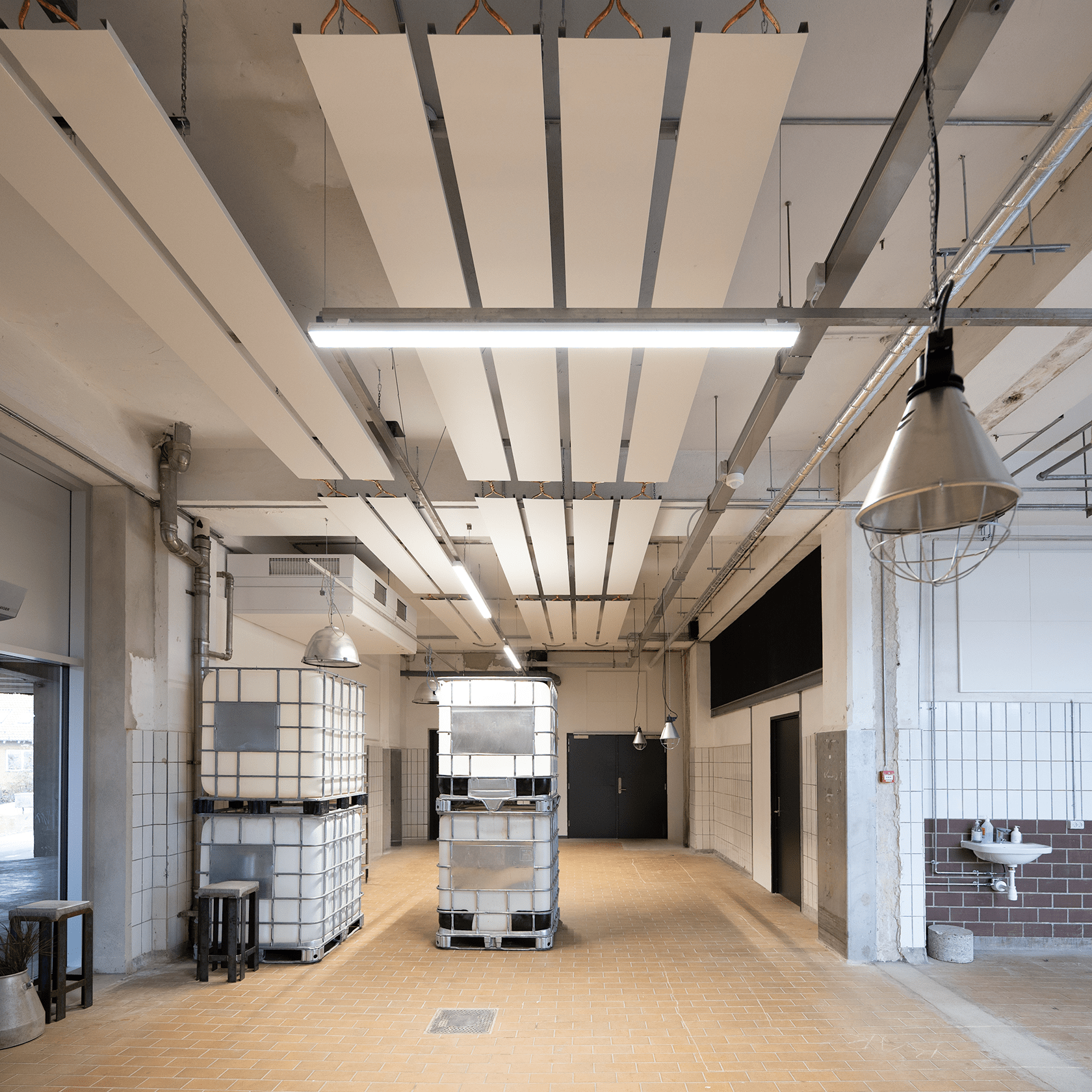
Heat panels have a standard length of 3 metres but can easily be joined to form longer, continuous runs thus offering great flexibility in project design. Radiant heating is particularly energy-efficient in spaces with high ceilings, as the heat is directed toward the occupied zone instead of accumulating near the ceiling. This makes Heat an ideal choice for a wide range of buildings, including offices, showrooms, schools, and storage or production facilities.
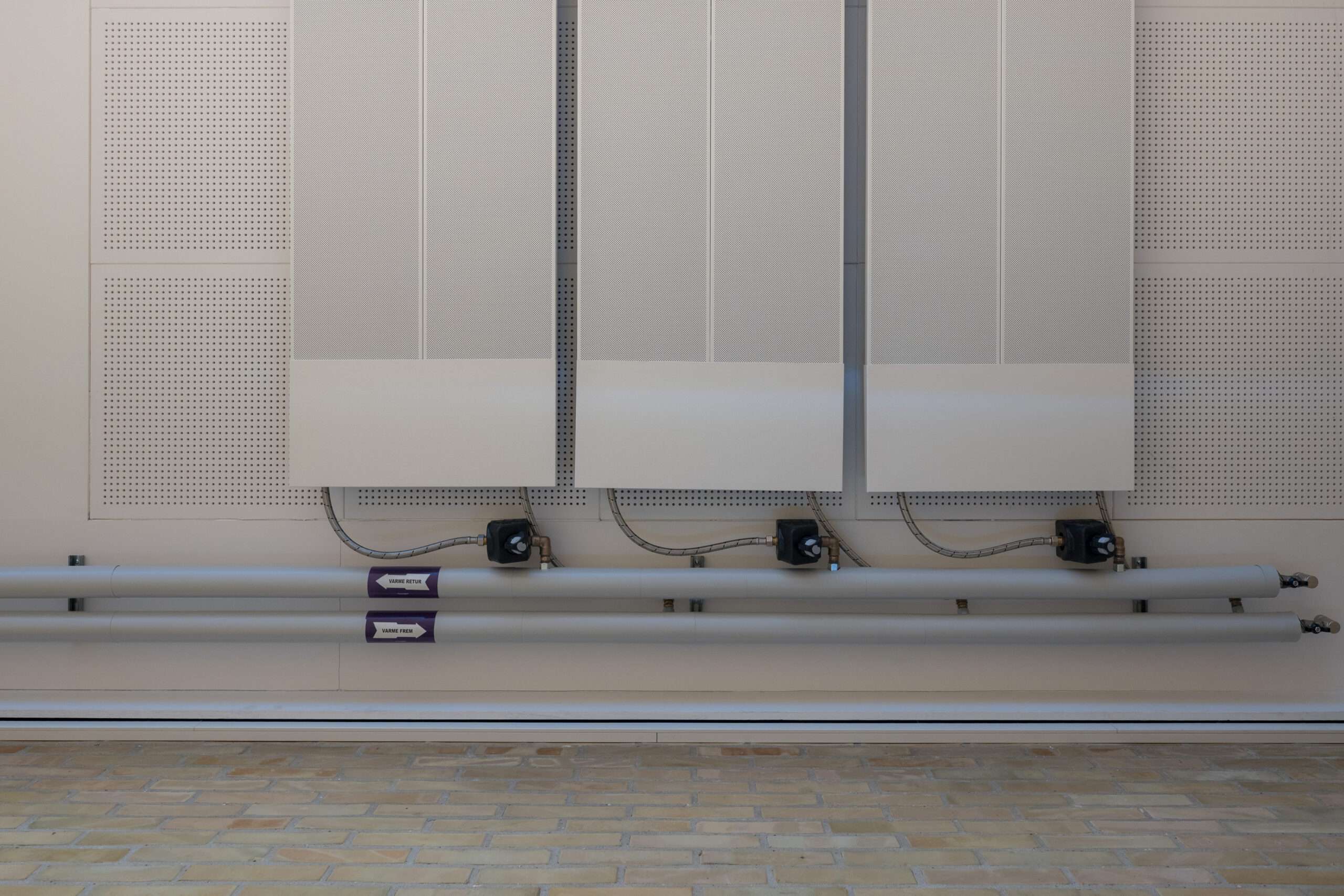
Heat is available in two variants—featuring either harp registers or WLT-D pipe registers, both offering the same high performance and a choice of different widths. Each panel is insulated with 25 mm rear insulation and has a low operational weight of approximately 2.1 kg/m in aluminium, making handling and on-site installation fast and straightforward.
While the panels can be produced in either aluminium or steel, the aluminium version offers distinct advantages in terms of reduced weight and easier installation. The copper pipe system is also optimised to minimise the number of coupling joints.
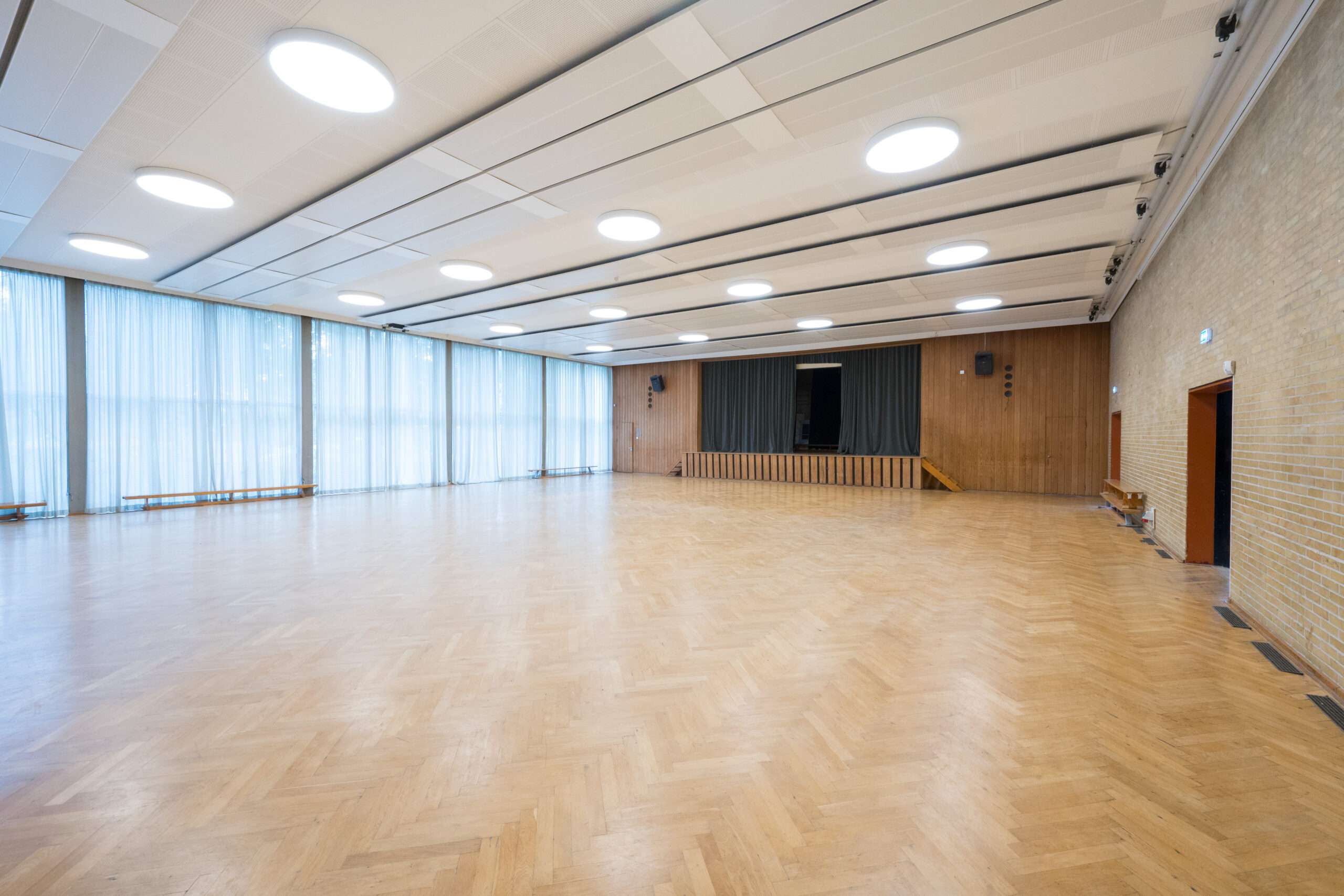
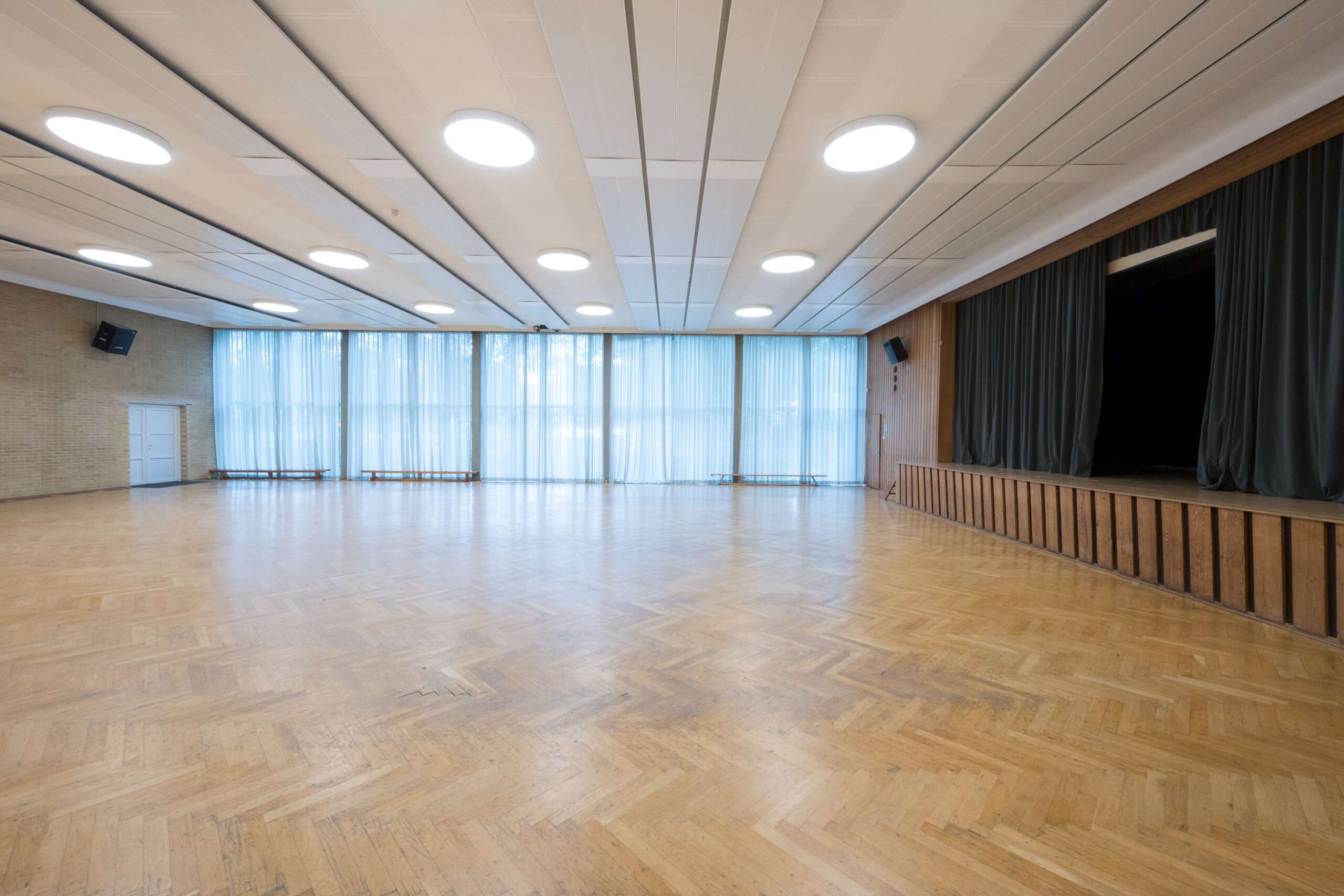
Unlike many competing solutions, Heat features a flat underside with fully concealed pipes. This creates a calm, uniform ceiling surface that integrates seamlessly into suspended ceilings.
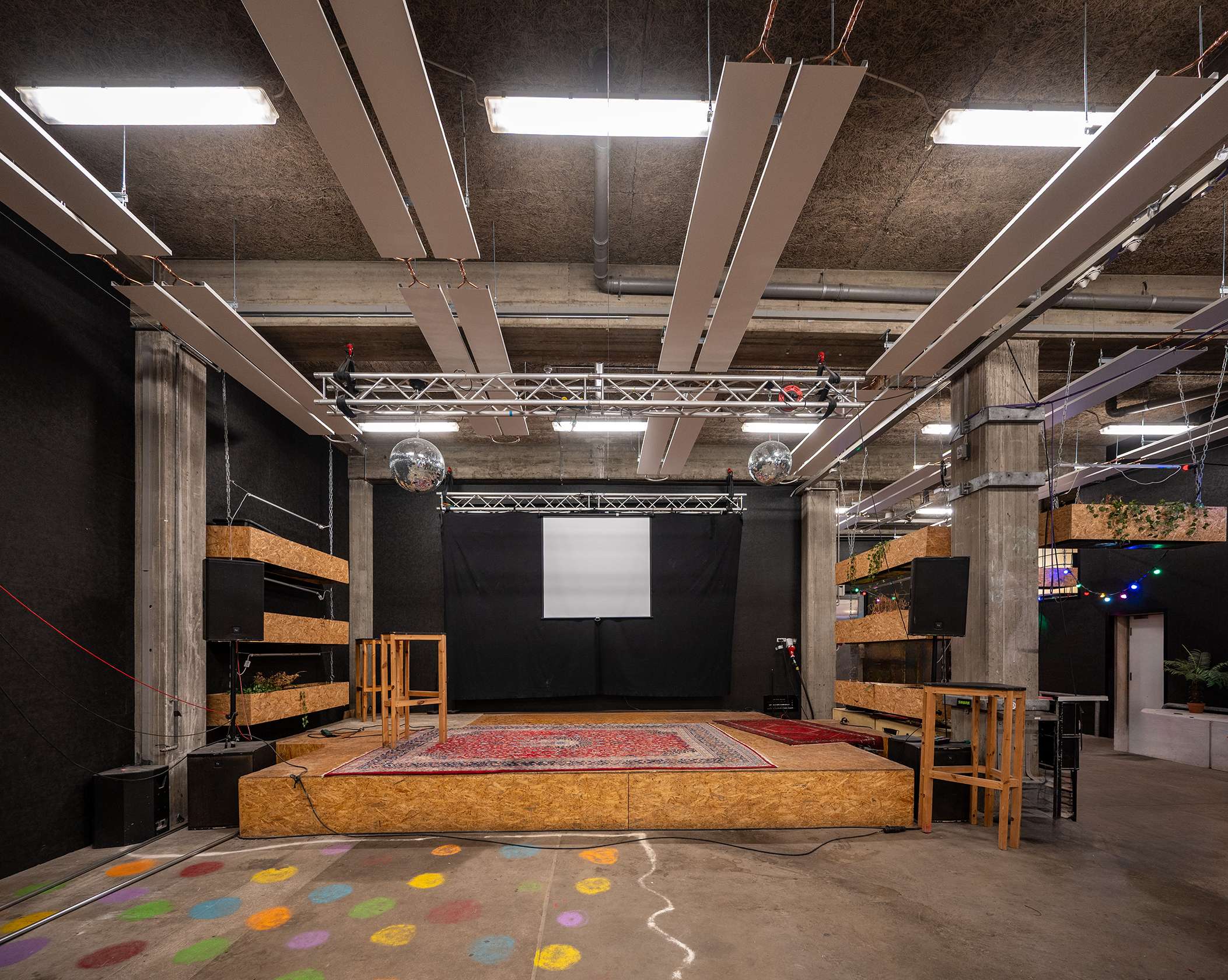
Heat also offers exceptional design flexibility, with multiple mounting options, adjustable spacing between panels, and colour customisation available in both RAL and NCS colour systems. The result is a solution that can be tailored to suit both architectural and aesthetic requirements—without compromising on performance or comfort.